Open this in the pixkoz appGet the pixkoz app on Google PlayUse the pixkoz app
OpenGetOpen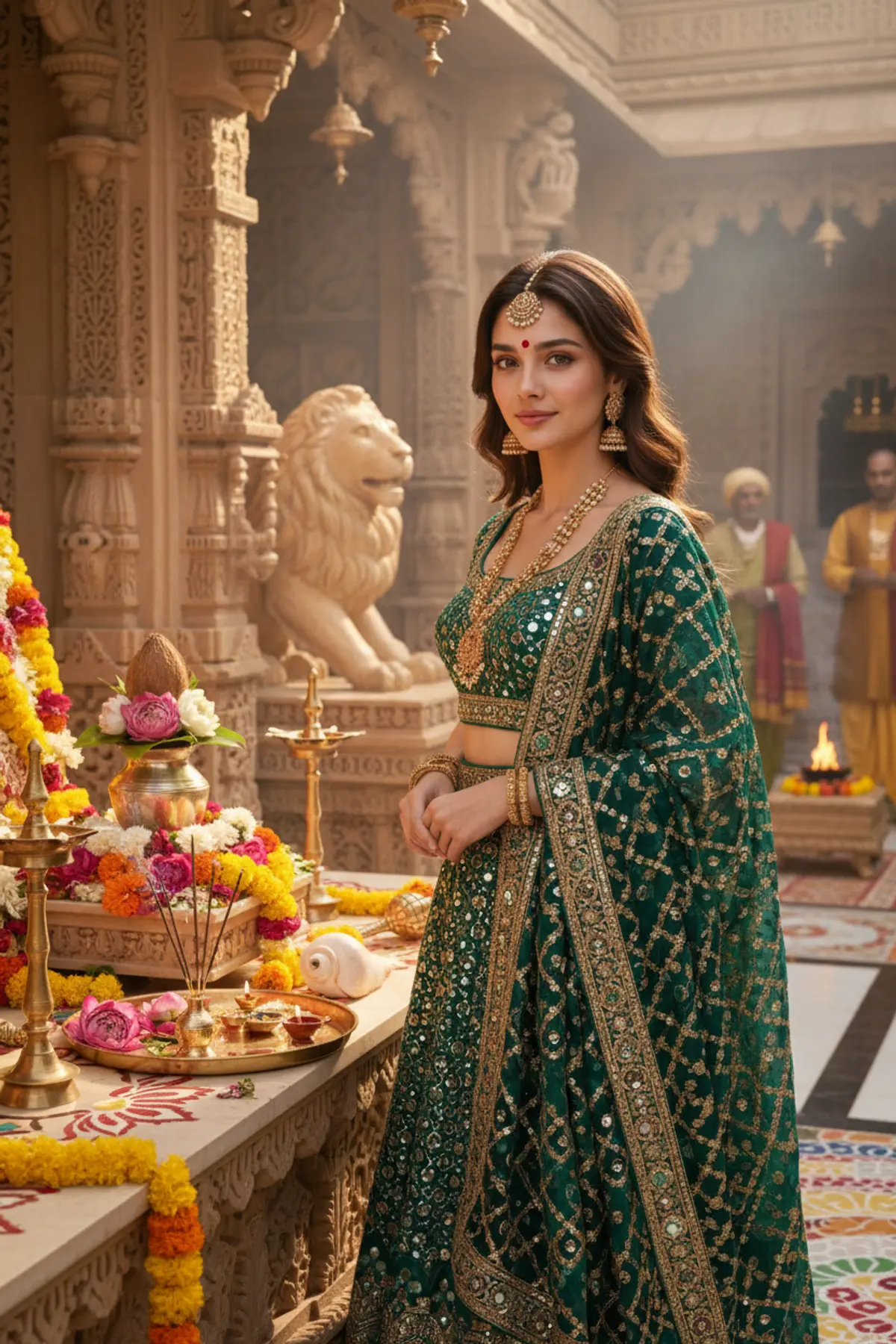
Maa Siddhidatri — Day 9 Navratri Look ✨🪷
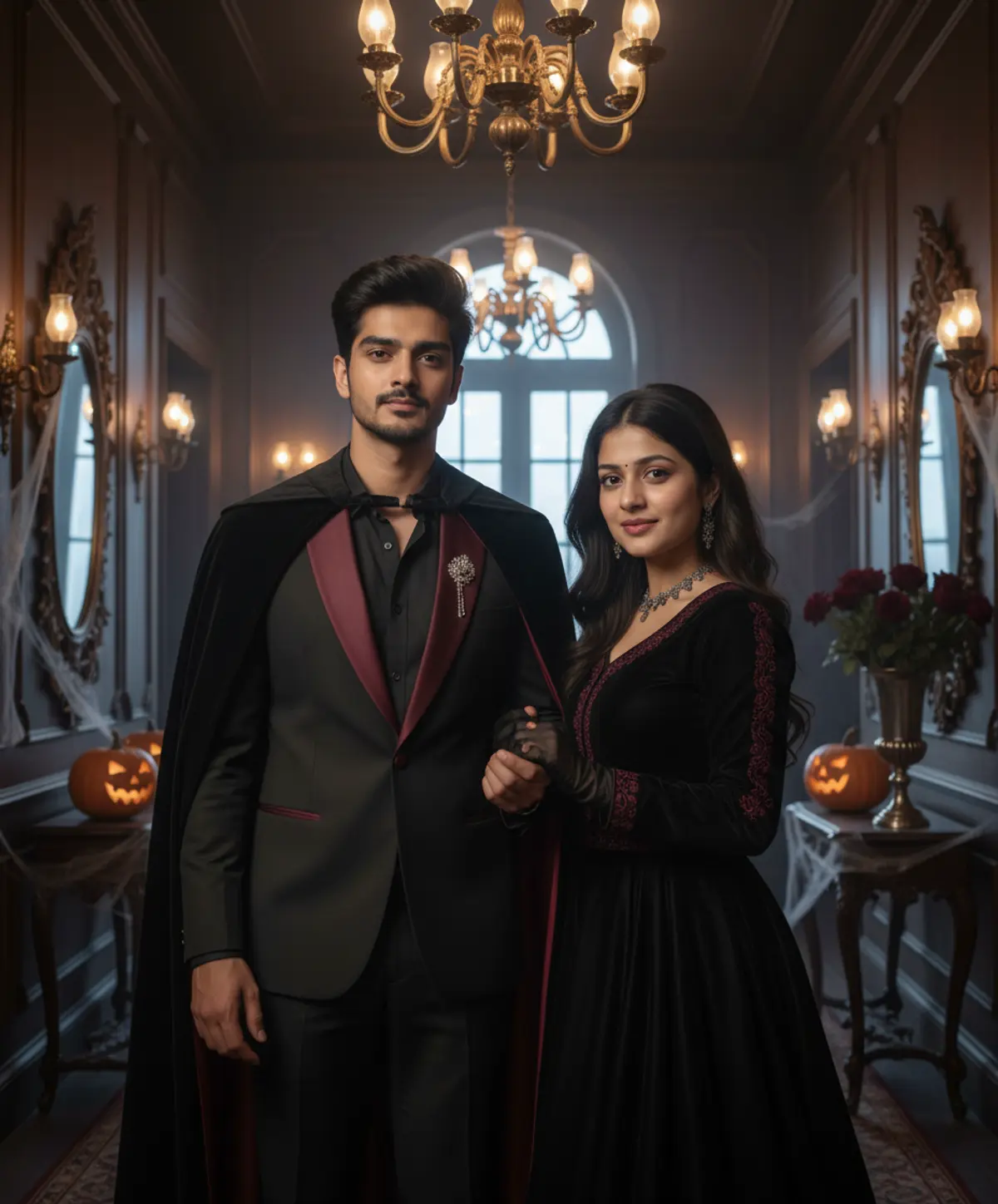
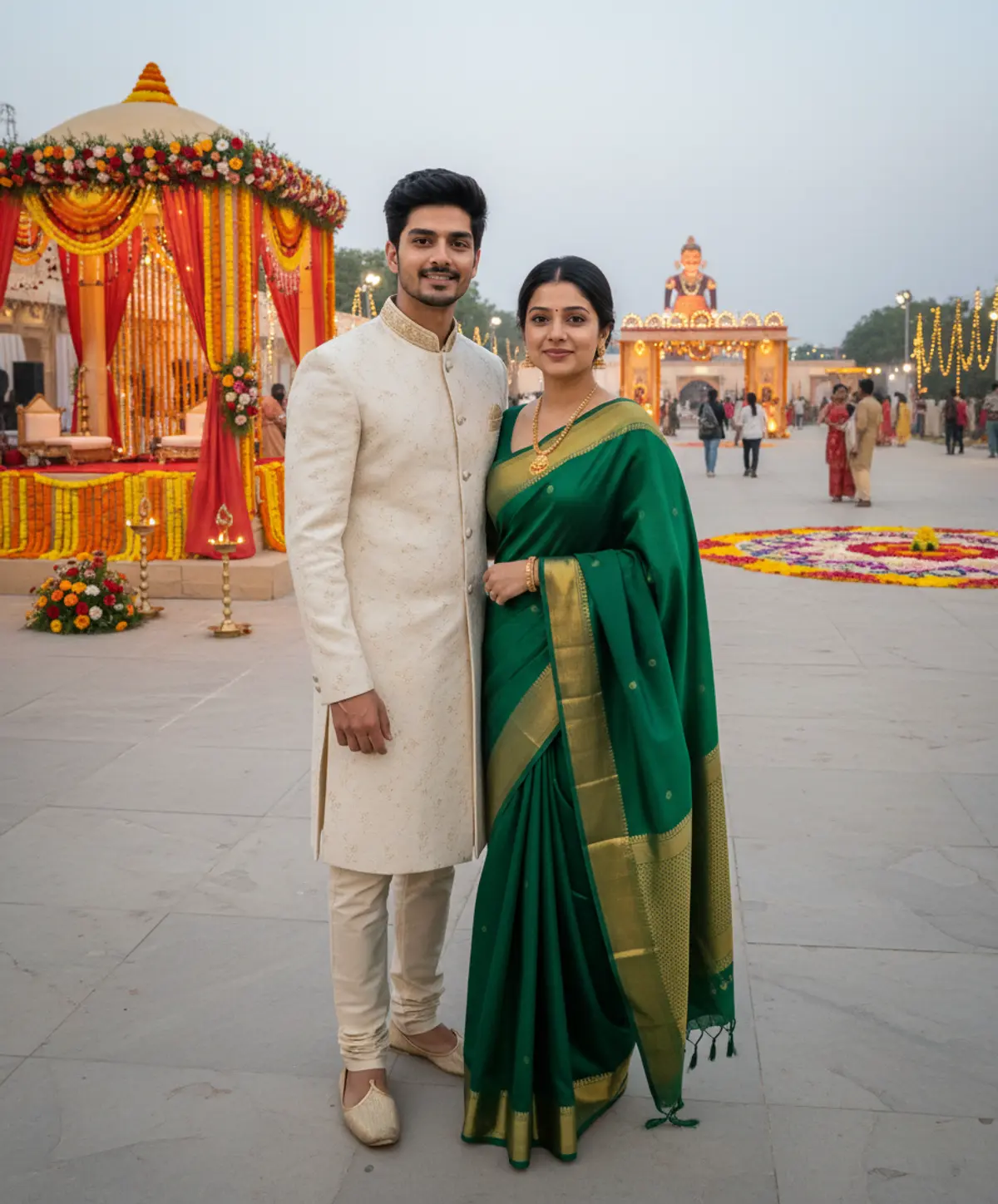
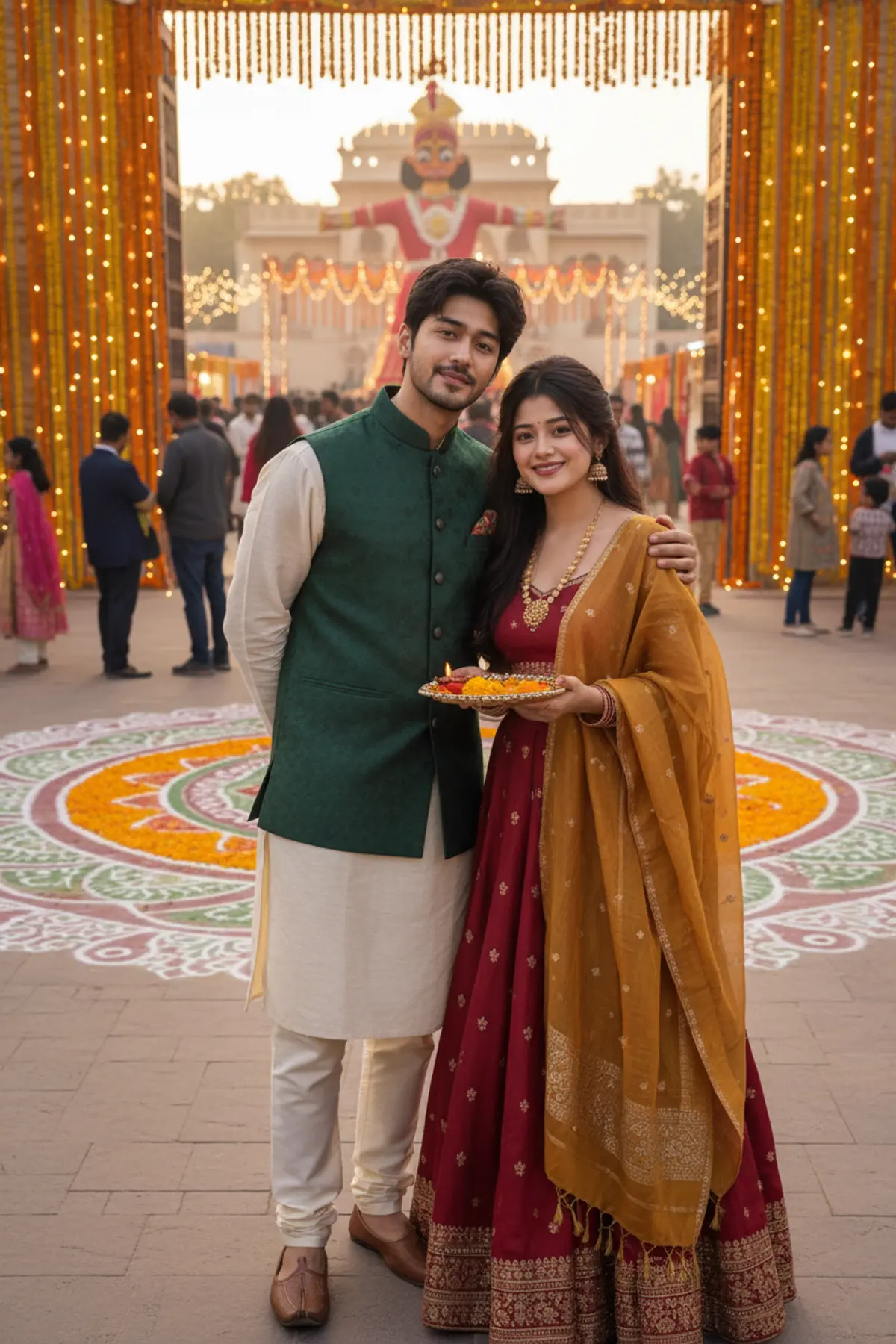
Celebrate the divine grace of Maa Siddhidatri with a breathtaking, identity-preserved Maha Navami portrait featuring luxurious peacock-green and turquoise Gujarati attire, intricate golden embroidery, sacred lotus offerings, and the radiant spiritual beauty of Navratri's ninth night.
Copy this, then paste it with your photo in Gemini or ChatGPT
ChatGPT opens with your prompt filled in. In Gemini, paste it. Add your photo there and send.ChatGPT opens with your prompt filled in. In Gemini, long-press the box, tap Paste. Add your photo.
Prompt
Needs 1 photo
Maa Siddhidatri — Maha Navami Divine Radiance | Ultra-Realistic Identity-Locked Portrait 1. STRICT IDENTITY LOCK — HIGHEST PRIORITY Use the uploaded personal photograph as the ONLY and STRICT identity reference for the main subject. The uploaded photograph determines the person's identity; the rest of this prompt determines the clothing, pose, jewelry, environment, lighting, and photographic style. Preserve the subject's exact recognizable facial identity and natural appearance. Reproduce the original facial characteristics as faithfully as possible, including: - Original face shape, bone structure, forehead, temples, and facial proportions. - Natural eyebrow shape, eye shape, eyelids, eye spacing, and distinctive eye characteristics. - Original nose bridge, nose width, nostrils, lips, mouth shape, cheeks, cheekbones, jawline, and chin. - Original skin tone, complexion, natural skin texture, pores, and subtle facial imperfections. - Natural facial asymmetry, distinctive features, and apparent age. - Original hairline and recognizable characteristics of the hair. Do not generate a new face or substitute a generic AI beauty face. Do not blend the subject's face with a goddess depiction, another person, or a model from an inspiration image. Do not reshape the nose, enlarge the eyes, change the lips, sharpen the jawline, lighten the skin, alter the apparent age, or artificially perfect facial symmetry. No face swapping, beauty filters, skin smoothing, plastic skin, excessive retouching, or facial reconstruction. Keep makeup and jewelry as external styling elements. Apply them around the subject's existing features without changing the underlying facial structure. Preserve the person's natural gender presentation and distinctive appearance. If the original photo has a different expression or head angle, adapt the pose naturally for the new scene while keeping the facial identity consistent. Identity priority: facial resemblance first, realistic human anatomy second, devotional styling third, and decorative effects last. 2. DIVINE CONCEPT — MAA SIDDHIDATRI Create a grand, spiritually rich Maha Navami portrait inspired specifically by Maa Siddhidatri, the ninth form of Maa Durga, traditionally associated with spiritual accomplishments, divine wisdom, and blessings. The image should feel like an authentic, professionally photographed Indian devotional celebration marking the culmination of nine nights of Navratri. Convey serenity, spiritual fulfillment, prosperity, and divine grace through realistic temple architecture, traditional Gujarati clothing, ritual offerings, and warm ceremonial lighting. Do not turn the subject into a literal supernatural creature or an artificial fantasy character. Keep the person human, recognizable, and naturally integrated into the devotional setting. 3. LUXURIOUS GUJARATI FESTIVE ATTIRE Dress the subject in an opulent traditional Gujarati chaniya choli in deep peacock green, turquoise, and antique gold. The outfit should feature authentic-looking handcrafted mirror work, intricate gold zari embroidery, delicate lotus motifs, fine threadwork, and traditional geometric patterns. Add a richly decorated flowing dupatta with an embroidered gold border, draped naturally over one shoulder and arranged gracefully around the body. Ensure the outfit has realistic fabric weight, natural folds, believable stitching, and physically accurate embroidery. Individual mirrors should reflect the surrounding diya light subtly rather than producing exaggerated glitter. Style the subject with traditional gold jewelry, including layered necklaces, elegant jhumkas, a finely detailed maang tikka, and coordinated bangles. Add a traditional red bindi. Use luminous but restrained festive makeup with softly defined kajal eyes and warm gold highlights. Retain the original skin tone, facial proportions, and realistic skin texture. Avoid overly glossy skin, excessive contouring, artificial eyelashes, or makeup that obscures recognizable features. The overall styling should feel regal and devotional, not like a modern fashion advertisement or costume fantasy. 4. EXPRESSION, POSE & BODY LANGUAGE Position the subject centrally in a dignified three-quarter or front-facing standing pose beside the main puja altar. Give her a serene, confident, spiritually composed expression that conveys wisdom, compassion, and inner peace. Her gaze should be natural and directed gently toward the camera or slightly toward the sacred shrine. Keep the shoulders relaxed, posture upright, and hands naturally positioned. One hand may rest gently near the dupatta while the other remains close to the ritual arrangement without awkwardly touching the sacred objects. Preserve realistic human anatomy, natural finger lengths, correct wrist alignment, and believable body proportions. Avoid stiff posing, exaggerated gestures, unnatural neck angles, or theatrical expressions. The subject should look like a real person participating in a sacred festival portrait, not an actor posing in a fantasy production. 5. MAHA NAVAMI PUJA MANDAP Create a richly decorated traditional Indian temple mandap celebrating Maha Navami, with intricately carved pillars, ornate arches, brass lamps, floral arrangements, traditional fabrics, and hundreds of small glowing earthen diyas. Include the following clearly identifiable devotional elements: - A beautifully decorated sacred kalash with a coconut and fresh mango leaves. - A central arrangement of fresh lotus flowers surrounded by yellow and orange marigold garlands. - A traditional brass puja thali containing sesame-seed bhog, flowers, kumkum, rice grains, incense, and a lit diya. - Traditional rangoli patterns in white, saffron, red, and gold across the temple floor. - Ornamental brass lamps arranged at varied heights with realistic flames and warm reflections. - Fresh lotus flowers and sacred cloth placed respectfully around the altar. - Subtle havan ceremony details in the distant background, with a controlled ceremonial flame and delicate smoke. - Softly blurred devotees and priests participating in the celebration, wearing authentic traditional Indian clothing. Every ritual object should have a believable size, clear shape, and natural placement. Keep the puja thali and central lotus arrangement visible in the composition without covering the subject's face or clothing. 6. TRADITIONAL SYMBOLISM OF MAA SIDDHIDATRI Incorporate the traditional iconography associated with Maa Siddhidatri through four clearly recognizable symbolic objects arranged respectfully around the shrine: - Lotus: a fresh pink or white lotus arrangement symbolizing spiritual awakening. - Conch: a traditional white conch placed on a decorated brass stand. - Chakra: a finely crafted ceremonial disc displayed near the altar. - Gada: a traditional ornamental mace positioned beside the other symbolic objects. Include a majestic but realistic lion sculpture at the rear of the shrine, integrated into the temple architecture rather than floating or appearing artificially composited. Keep all symbolic elements secondary to the main subject. The scene should communicate devotional significance through traditional objects and atmosphere rather than excessive supernatural effects. 7. LIGHTING & REALISTIC ATMOSPHERE Use practical warm light from the diyas, brass lamps, and distant havan fire as the primary atmospheric light sources. Add a soft, diffused frontal fill light to preserve natural facial details and accurate skin tone. Introduce gentle golden rim lighting around the hair, shoulders, and embroidered dupatta, with realistic shadow transitions. Create a subtle interplay of warm firelight and cooler ambient temple shadows. Let the peacock-green and turquoise fabric retain its true color while gold embroidery reflects the warm lights naturally. Use delicate incense haze, restrained atmospheric depth, and small, naturally rendered background bokeh. Smoke should remain thin and translucent rather than obscuring the face or making the temple look fog-filled. Avoid artificial halos, glowing skin effects, excessive bloom, oversaturated colors, harsh flash, crushed shadows, and exaggerated HDR. 8. CAMERA & COMPOSITION Format: Vertical 4:5 portrait, 1080 × 1350 px, optimized for Instagram. Camera style: Professional full-frame DSLR or mirrorless photography, approximately 50–85mm portrait lens, realistic perspective, and moderate shallow depth of field. Frame the subject from approximately the waist upward or in a three-quarter portrait, depending on the available space. Keep the face, jewelry, embroidered outfit, and important ritual elements clearly visible. Place the subject in the central visual area, with the lotus arrangement and brass puja thali in the lower foreground. Position the lion sculpture and temple lamps behind her, creating depth without competing with her face. Keep the subject's face sharply focused, with realistic skin texture, individual hair strands, crisp embroidery, and detailed jewelry. Allow distant devotees and temple decorations to soften naturally. Maintain believable scale, consistent perspective, and natural contact shadows so the subject appears physically present inside the temple. 9. PHOTOGRAPHIC REALISM & COLOR GRADING Create an ultra-realistic Indian devotional photograph with the visual quality of premium cultural and festive editorial photography. Use a refined palette of peacock green, turquoise, antique gold, crimson, warm amber, and natural skin tones. Apply subtle cinematic color grading with realistic contrast, gentle highlight roll-off, and natural shadow detail. Preserve authentic-looking Gujarati textile patterns, realistic brass surfaces, physically accurate reflections, natural fabric draping, detailed floral textures, and believable human anatomy. Avoid the polished plastic appearance often associated with synthetic AI portraits. The final image should look like a real photograph captured during an elaborate Maha Navami temple celebration. 10. FINAL IDENTITY VERIFICATION Before finalizing, prioritize the following: 1. The face must remain unmistakably recognizable as the person in the uploaded photograph. 2. Facial proportions, skin tone, age appearance, and distinctive features must remain faithful to the source. 3. Jewelry, bindi, makeup, and lighting must not change the underlying identity. 4. The subject must be naturally integrated into the environment, with consistent perspective and lighting. 5. The devotional setting must communicate Maa Siddhidatri and Maha Navami through recognizable traditional symbolism. The uploaded photo determines WHO the person is. This prompt determines HOW the person is styled and WHERE the portrait takes place. Transform the scene around the identity, never the identity itself. NEGATIVE PROMPT Different person, changed face, generic AI face, face swap, blended identity, altered facial proportions, reshaped nose, enlarged eyes, modified lips, altered jawline, lighter skin tone, changed age, artificial facial symmetry, excessive beautification, plastic skin, skin smoothing, over-retouched face, distorted anatomy, extra fingers, missing fingers, malformed hands, floating jewelry, duplicated objects, inaccurate Gujarati attire, incorrect ritual objects, artificial glowing eyes, fantasy armor, cartoon, anime, CGI, 3D render, painting, video-game graphics, oversaturated colors, excessive lens flare, unrealistic smoke, blurry face, low resolution, cluttered composition, text, watermark, logo, or borders.
How to use this prompt
In Gemini
- Tap Copy prompt, or Open in Gemini, which copies it for you.
- In Gemini, add your photo with the + button.
- Paste the prompt into the message box and send.
In ChatGPT
- Tap Open in ChatGPT: it opens with the prompt filled in (it is copied too, in case you need to paste it).
- Attach your photo with the + button.
- Send, and wait for your picture.
Gemini se kaise banaye: photo upload karo, prompt paste karo, send dabao.
Questions people ask
Is this prompt free?
Yes. Copy it and use it in Gemini, ChatGPT or another AI photo app as often as you like. You don't need a pixkoz account to copy it.
Will it work on my photo?
It works best with a clear, front-facing photo in good light, with the face fully visible. AI results vary from one try to the next: if a detail is off, try again.
Gemini or ChatGPT: which is better for this?
Both can use it. The examples on this page were made with Google: Nano Banana (Gemini 2.5 Flash Image), the model behind Gemini's images, so Gemini comes closest to them; ChatGPT gives its own take on the same prompt.
What happens to my photo?
When you use the prompt in Gemini or ChatGPT, your photo goes to that app, not to pixkoz, and that app's own privacy terms apply.