Open this in the pixkoz appGet the pixkoz app on Google PlayUse the pixkoz app
OpenGetOpen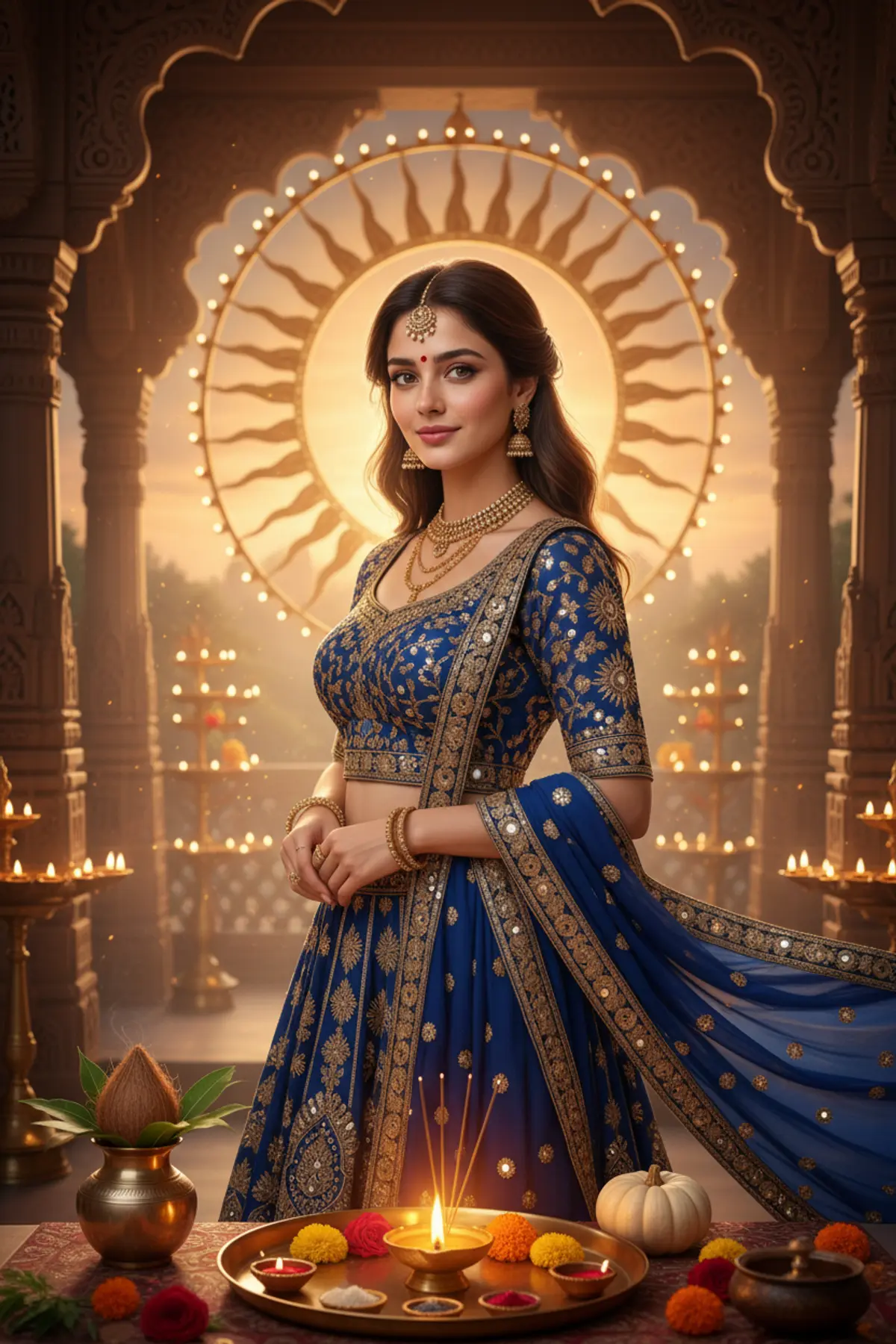
Maa Kushmanda – Day 4 Navratri Look☀️✨
Celebrate the radiant power of Maa Kushmanda with a breathtaking cinematic Navratri portrait featuring royal-blue Gujarati attire, exquisite golden embroidery, glowing temple lamps, and sacred offerings symbolizing creation, prosperity, and divine energy.
Copy this, then paste it with your photo in Gemini or ChatGPT
ChatGPT opens with your prompt filled in. In Gemini, paste it. Add your photo there and send.ChatGPT opens with your prompt filled in. In Gemini, long-press the box, tap Paste. Add your photo.
Prompt
Needs 1 photo
Maa Kushmanda — Divine Solar Radiance | Identity-Preserved Navratri Portrait 1. Reference Image & Identity Preservation — Absolute Priority Use the uploaded photo as the ONLY and STRICT source of identity for the main subject. The uploaded photo determines WHO the person is; the creative description determines the outfit, pose, styling, environment, lighting, and composition. Preserve the person's exact recognizable facial identity with the highest possible fidelity. Maintain the original: - Face shape, bone structure, forehead, temples, and facial proportions. - Eyebrows, eye shape, eyelids, eye spacing, and natural gaze characteristics. - Nose bridge, nostrils, nose shape, lips, mouth shape, and natural smile characteristics. - Cheeks, cheekbones, jawline, chin, ears, and distinctive facial features. - Original skin tone, complexion, natural skin texture, and realistic pores. - Natural age, hairline, and recognizable ethnic appearance. - Existing facial asymmetry and subtle individual characteristics that make the person recognizable. Do not generate a new face. Do not replace, reinterpret, beautify, or redesign the person's identity. Do not blend the face with another person or use a generic AI-generated beauty face. Avoid face swapping, facial reshaping, artificial skin smoothing, excessive makeup filters, altered age, and changes to skin tone. Keep the original person's gender presentation and natural facial characteristics. Apply traditional jewelry, a bindi, and devotional makeup around their existing features without changing their identity. The final result must look unmistakably like the person in the uploaded photograph, naturally photographed in a new Navratri setting. 2. Divine Concept — Maa Kushmanda Create an authentic, ultra-realistic Navratri portrait inspired specifically by Maa Kushmanda, the radiant form of Goddess Durga associated with cosmic creation, solar energy, vitality, abundance, and divine illumination. The image should communicate sacredness, warmth, prosperity, and spiritual strength through culturally respectful Indian devotional photography. Create a magnificent temple atmosphere with radiant golden sunlight and traditional Navratri details, avoiding an exaggerated fantasy or video-game appearance. 3. Traditional Gujarati Outfit Dress the identity-preserved subject in a luxurious royal-blue Gujarati chaniya choli featuring intricate antique-gold zari embroidery, authentic mirror work, delicate sunburst patterns, and subtle celestial-inspired motifs. Add a flowing royal-blue and gold dupatta with beautifully embroidered borders, naturally draped over the shoulder and flowing gently in the temple breeze. Include realistic fabric folds, intricate stitching, handcrafted textile details, and natural garment weight. Complete the outfit with elegant traditional gold jhumkas, layered gold necklaces, a maang tikka, delicate bangles, and a small warm-golden bindi. Use refined devotional makeup with softly defined eyes and subtle golden highlights while preserving the person's natural facial structure, skin tone, and recognizable features. Avoid excessive jewelry that obscures the face. Maintain a harmonious balance between royal elegance and devotional simplicity. 4. Expression, Pose & Body Language Capture the subject in a graceful, dignified three-quarter standing pose, with relaxed shoulders and naturally positioned hands. Give the subject a peaceful, confident expression conveying compassion, divine radiance, and inner strength. The gaze should feel calm and spiritually uplifting, directed gently toward the camera or slightly toward the sacred shrine. Keep the face natural and anatomically realistic. If the uploaded photograph has a different head angle, expression, or pose, adapt the body naturally to the new scene while retaining the person's facial identity. Do not copy facial features from any additional reference image. Ensure anatomically correct hands, realistic fingers, natural body proportions, and physically believable jewelry placement. 5. Sacred Navratri Puja Arrangement Build an elaborate but authentic Indian temple puja setting around the subject, featuring: - A decorated brass kalash with a coconut and fresh mango leaves. - A traditional brass puja thali containing flowers, kumkum, rice grains, incense, and a glowing diya. - Malpua bhog presented in a small traditional bowl. - A small white pumpkin, symbolizing kushmanda, placed respectfully among the offerings. - Fresh red flowers, orange and yellow marigold garlands, sacred cloth, and scattered flower petals. - Traditional brass lamps arranged at different heights, producing warm, natural points of light. - Eight small symbolic ritual elements arranged neatly around the central diya, with realistic spacing and clearly defined objects. Keep the puja items culturally respectful and physically believable. Ensure that the central diya, offerings, and pumpkin remain recognizable rather than becoming indistinct decorative shapes. 6. Grand Solar Temple Mandap Place the subject inside a magnificent traditional Indian temple mandap at dusk. Include intricately carved stone pillars, ornamental arches, brass details, traditional festive decorations, and hundreds of small glowing diyas. Behind the subject, create a large circular arrangement of golden temple lamps resembling a radiant rising Sun. Let warm golden rays spread softly through the incense haze, forming a luminous halo-like backdrop without covering or altering the subject's face. Introduce extremely subtle celestial patterns and delicate points of golden light in the distant background. Keep the setting grounded in realistic Indian temple architecture, with the solar symbolism expressed mainly through practical lamps, warm illumination, and carefully controlled atmospheric effects. The subject must remain the main focal point. 7. Lighting & Color Palette Use cinematic golden illumination inspired by sunrise, with warm light falling naturally across the face and a soft golden rim light outlining the hair, shoulders, and dupatta. Combine the warm temple lighting with gentle frontal fill light to preserve accurate facial details, natural skin tone, and realistic shadows. Use a sophisticated color palette of deep royal blue, antique gold, brilliant amber, warm orange, and muted sandstone. Preserve the richness of the blue outfit while allowing the golden lights to create beautiful contrast. Include realistic reflections on the gold jewelry, mirror work, brass lamps, and embroidered fabric. Add subtle incense smoke, soft atmospheric depth, and gentle background bokeh. Avoid harsh flash, overexposed skin, excessive HDR, neon effects, artificial facial glow, and oversaturated colors. 8. Camera, Framing & Instagram Composition Create a vertical 4:5 portrait, 1080 × 1350 px, optimized for an Instagram feed post. Use the photographic appearance of a professional full-frame DSLR or mirrorless camera with an 85mm portrait lens. Frame the subject from approximately the waist upward, allowing the face, royal-blue embroidered outfit, jewelry, and important Navratri elements to remain visible. Position the subject near the center, with the circular golden lamp arrangement forming a balanced visual backdrop. Place the puja thali in the lower foreground and arrange the kalash and marigold decorations naturally around the scene. Keep the subject's face as the sharpest and most important focal point. Use moderate shallow depth of field, realistic perspective, detailed fabric texture, individual hair strands, natural skin pores, and softly illuminated temple architecture. Ensure that the face remains unobstructed by the dupatta, jewelry, smoke, lamps, or decorative elements. 9. Final Photographic Quality Ultra-photorealistic Indian devotional portrait, premium Navratri editorial photography, authentic Gujarati textile craftsmanship, realistic gold jewelry, natural skin texture, lifelike facial proportions, detailed embroidery, physically accurate lighting, rich cinematic colors, realistic temple atmosphere, subtle film grain, and exceptional fine detail. The final image should resemble a professionally photographed devotional campaign celebrating Maa Kushmanda, with a radiant solar temple background and luxurious royal-blue and gold styling. FINAL IDENTITY CHECK: Before finalizing the image, prioritize resemblance to the uploaded person over beauty enhancement or artistic interpretation. The person's recognizable face, natural features, skin tone, and age must remain consistent with the source photograph. Transform the scene around the person—not the person's identity. 10. Negative Prompt Different person, changed identity, generic AI face, face swap, face blending, altered bone structure, reshaped nose, enlarged eyes, changed lips, modified jawline, changed skin tone, altered age, excessive beautification, plastic skin, skin smoothing, artificial symmetry, exaggerated makeup, distorted hands, extra fingers, missing fingers, malformed jewelry, floating objects, inaccurate clothing details, cartoon, anime, illustration, video-game rendering, excessive fantasy effects, oversaturated colors, harsh flash, blurry face, low resolution, cluttered composition, text, watermark, logo, duplicated objects.
How to use this prompt
In Gemini
- Tap Copy prompt, or Open in Gemini, which copies it for you.
- In Gemini, add your photo with the + button.
- Paste the prompt into the message box and send.
In ChatGPT
- Tap Open in ChatGPT: it opens with the prompt filled in (it is copied too, in case you need to paste it).
- Attach your photo with the + button.
- Send, and wait for your picture.
Gemini se kaise banaye: photo upload karo, prompt paste karo, send dabao.
Questions people ask
Is this prompt free?
Yes. Copy it and use it in Gemini, ChatGPT or another AI photo app as often as you like. You don't need a pixkoz account to copy it.
Will it work on my photo?
It works best with a clear, front-facing photo in good light, with the face fully visible. AI results vary from one try to the next: if a detail is off, try again.
Gemini or ChatGPT: which is better for this?
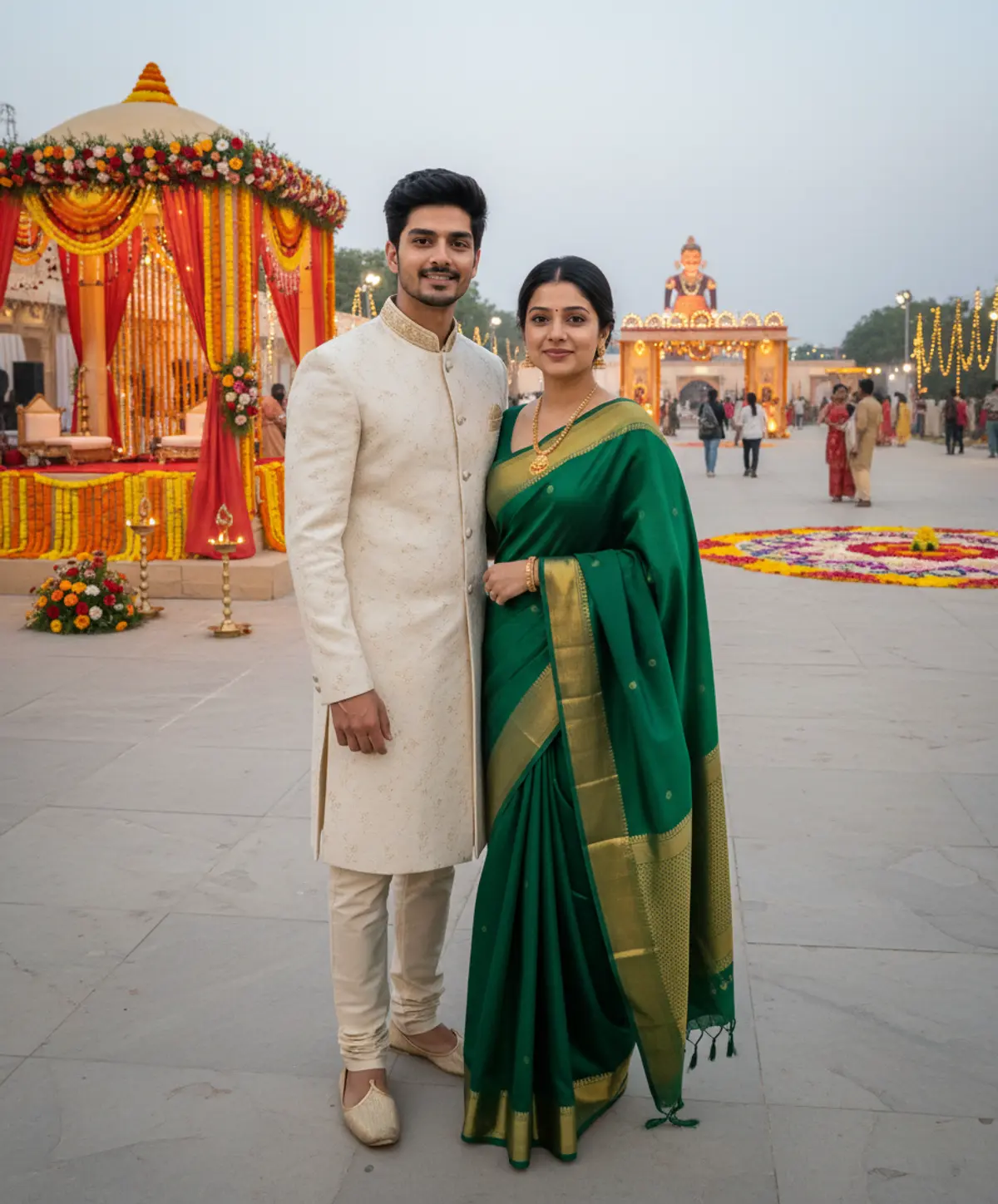
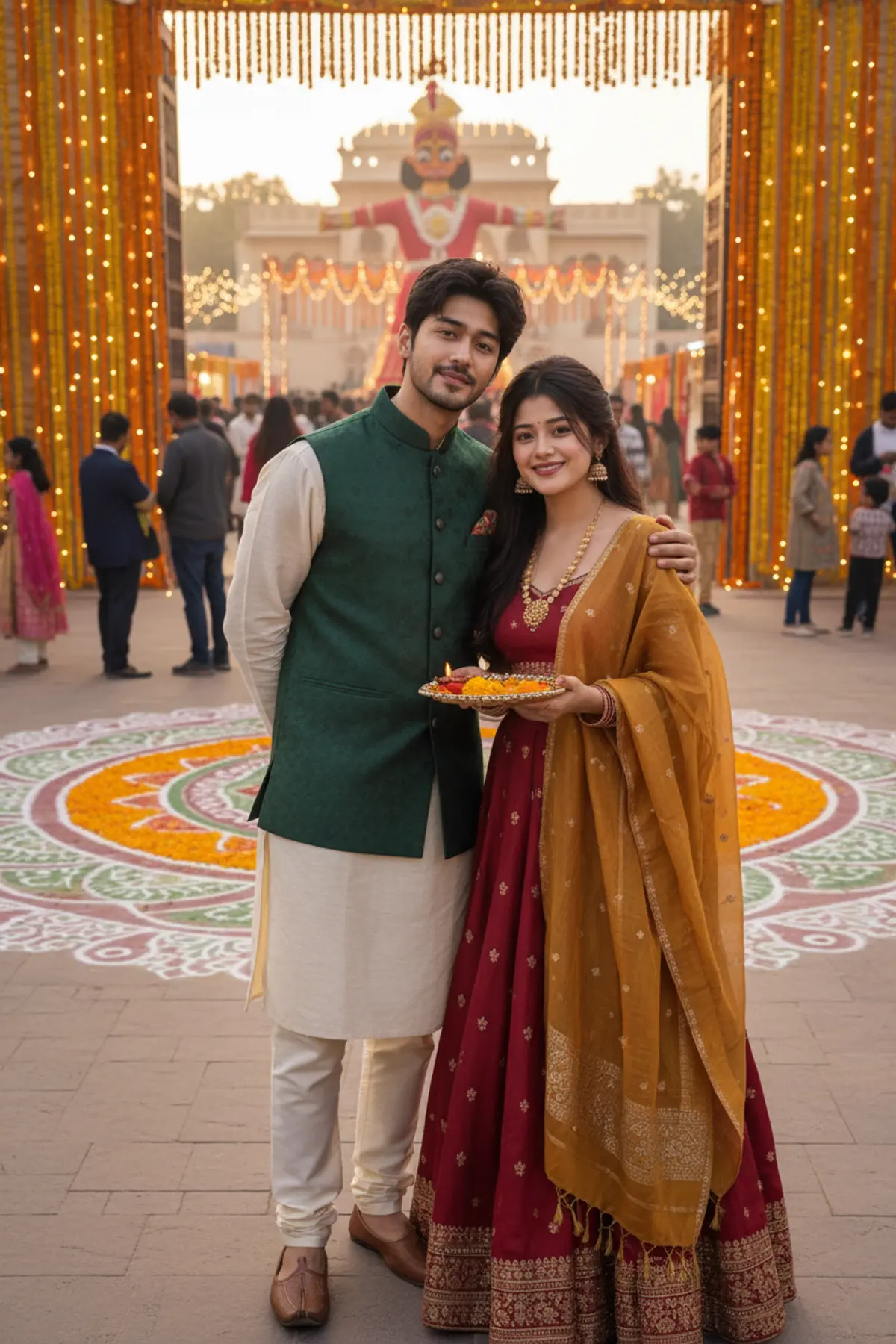
Both can use it. The examples on this page were made with Google: Nano Banana (Gemini 2.5 Flash Image), the model behind Gemini's images, so Gemini comes closest to them; ChatGPT gives its own take on the same prompt.
What happens to my photo?
When you use the prompt in Gemini or ChatGPT, your photo goes to that app, not to pixkoz, and that app's own privacy terms apply.