Open this in the pixkoz appGet the pixkoz app on Google PlayUse the pixkoz app
OpenGetOpen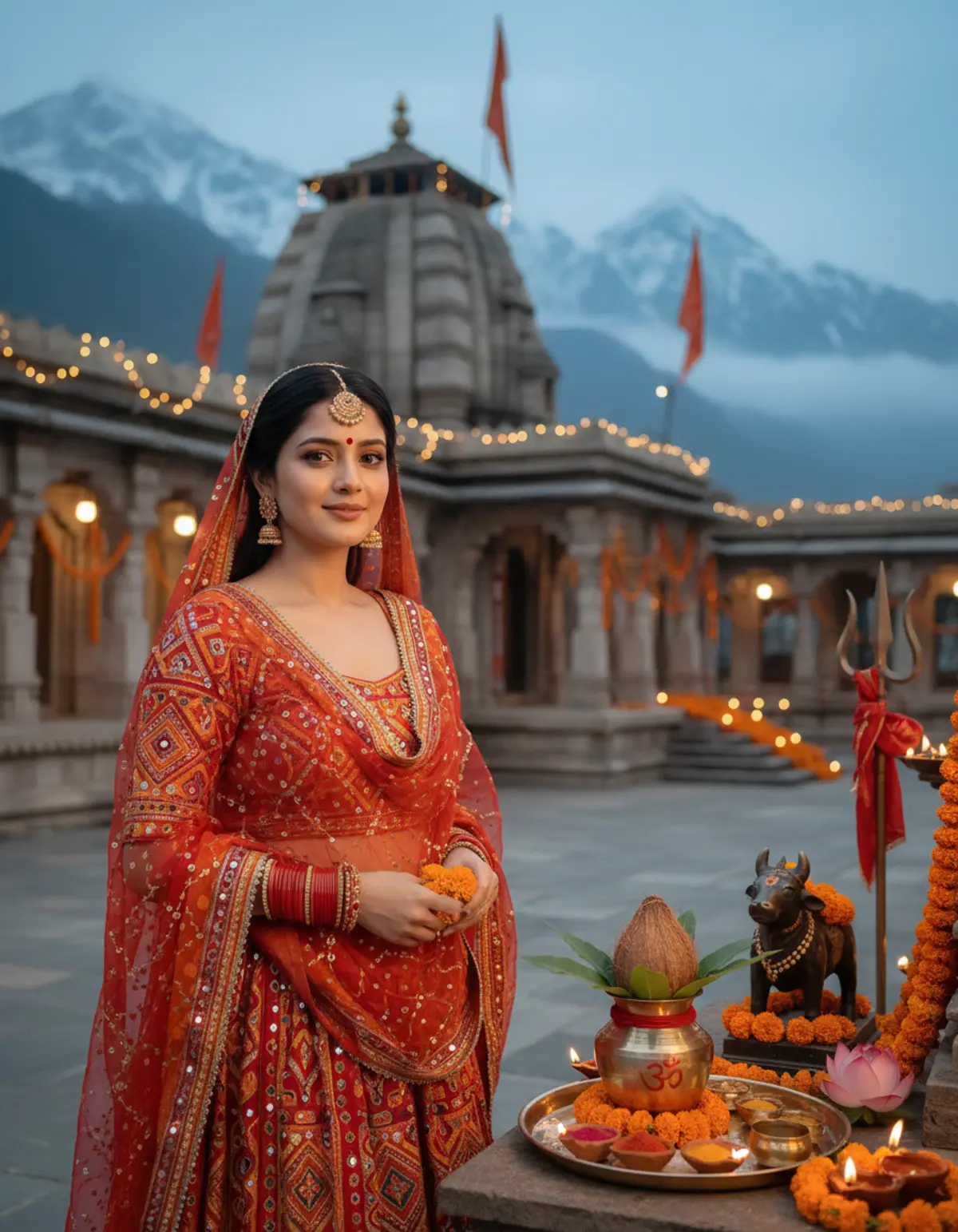
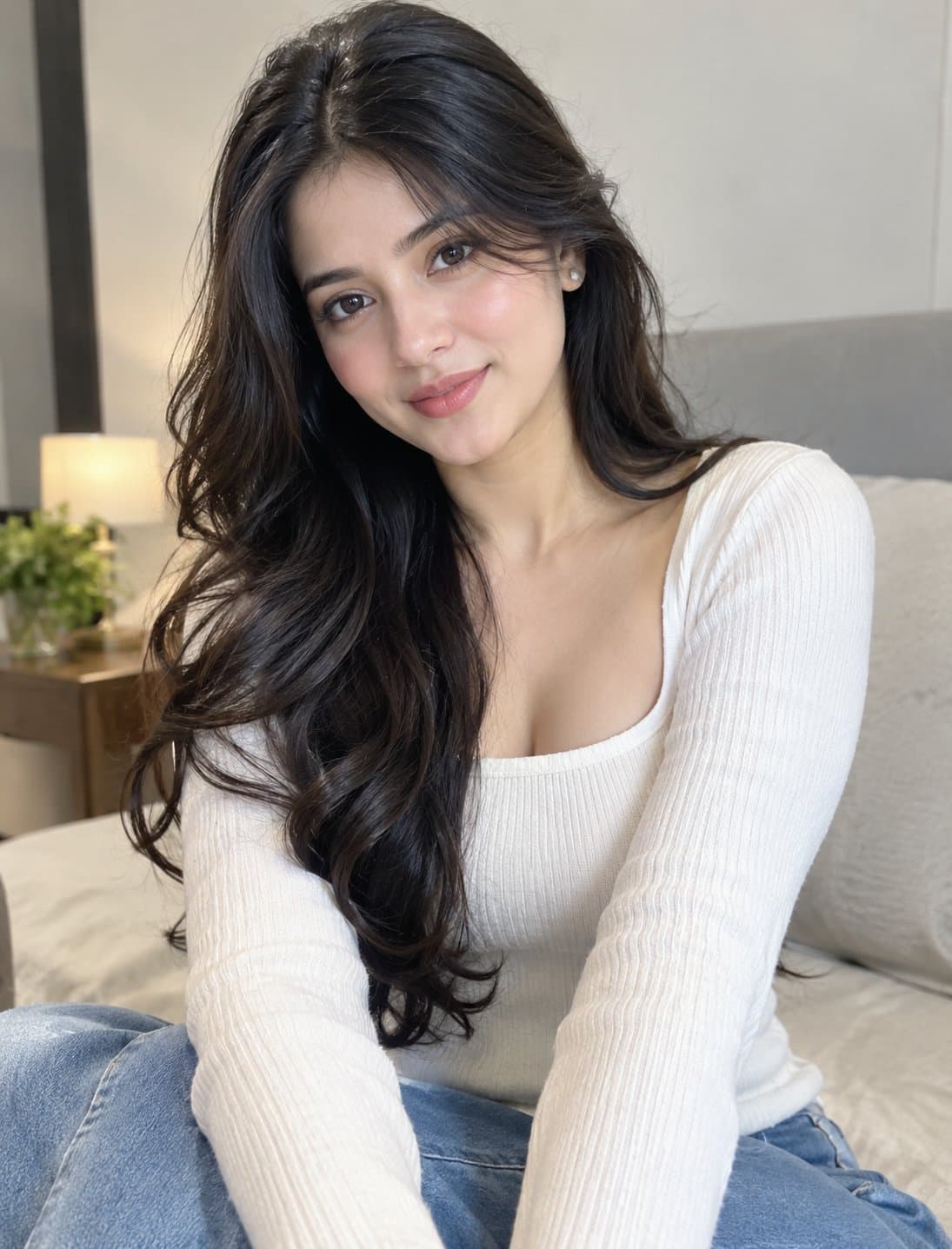
Maa Shailputri — Day 1 Navratri Portrait
Celebrate the first day of Navratri with a breathtaking, photorealistic portrait inspired by Maa Shailputri, featuring traditional Gujarati attire, sacred puja offerings, glowing diyas, and the majestic beauty of the Himalayas—all while preserving your original facial identity.
Copy this, then paste it with your photo in Gemini or ChatGPT
ChatGPT opens with your prompt filled in. In Gemini, paste it. Add your photo there and send.ChatGPT opens with your prompt filled in. In Gemini, long-press the box, tap Paste. Add your photo.
Prompt
Needs 1 photo
AI Image Prompt — Maa Shailputri Navratri Portrait | Himalayan Divine Elegance 1. Reference Images and Identity Preservation — Highest Priority Use the uploaded personal photograph as the ONLY and STRICT facial identity reference for the woman. Use the provided Maa Shailputri-inspired Navratri image as the visual reference for the scene, clothing style, composition, pose, devotional props, lighting, and overall atmosphere. FACE IDENTITY MUST NOT CHANGE. Preserve the woman's exact recognizable facial identity, including her original face shape, forehead, eyebrows, eye shape, eye color, eyelids, nose, nostrils, cheeks, lips, mouth shape, jawline, chin, ears, skin tone, natural facial asymmetry, age, and distinctive facial features. Retain her original hairline and natural facial proportions. Keep her identity consistent even when adding traditional jewelry, a bindi, tilak, or devotional makeup. Any makeup must be applied naturally over her existing features without reshaping them. Do not replace her face with the face of a model or goddess. Do not perform a face swap, beautification, skin whitening, facial slimming, eye enlargement, nose reshaping, lip enhancement, artificial symmetry correction, or age modification. Preserve realistic pores, fine facial details, natural skin texture, and subtle imperfections. The final result must look like the same real person from the uploaded photo, photographed in a new devotional setting—not a different woman. 2. Main Concept — Maa Shailputri-Inspired Navratri Create an ultra-photorealistic, cinematic devotional portrait inspired by Maa Shailputri, the daughter of the Himalayas and the first form of Goddess Durga worshipped during Navratri. The woman stands peacefully beside a beautifully arranged traditional puja altar in a majestic Himalayan-inspired temple courtyard. Her expression is calm, graceful, confident, and devotional, with a gentle natural smile. Her presence should communicate purity, feminine strength, serenity, spiritual energy, and reverence. Represent the religious theme through traditional clothing, sacred symbols, mountain scenery, flowers, lamps, and puja offerings. Keep the depiction respectful, culturally authentic, and grounded in realistic Indian devotional photography. 3. Traditional Gujarati Outfit — Extremely Detailed Dress the woman in a richly decorated traditional Gujarati chaniya choli in vibrant vermilion red, burnt orange, and warm saffron tones. Chaniya (skirt): - A traditional flared Gujarati skirt with realistic volume and natural fabric folds. - Deep red-orange fabric featuring intricate hand-embroidered geometric patterns, mountain-inspired motifs, floral designs, and colorful traditional Gujarati detailing. - Dense mirror work with tiny reflective circular and diamond-shaped mirrors individually embedded in embroidered borders. - Fine golden threadwork, red and saffron stitching, multicolored embroidery, and delicate decorative accents. - A richly embroidered waistband with a natural, realistic fit. Choli (blouse): - A fitted traditional blouse in matching orange-red fabric. - Elaborate embroidery across the neckline, sleeves, and bodice. - Authentic mirror-work detailing, fine gold thread, geometric motifs, and tiny decorative stitches. - Realistic seams, fabric texture, natural creases, and accurate garment construction. Dupatta: - A translucent red-orange dupatta draped gracefully over the head and one shoulder. - A traditional golden gota-patti border with intricate metallic detailing. - Tiny mirror embellishments that reflect the warm light of nearby diyas. - Realistic sheer fabric, delicate folds, fine woven texture, and a soft glow where light passes through the material. - The dupatta must frame the face without hiding or altering the woman's facial features. Every textile detail should look physically real, carefully stitched, and photographically captured—not painted, plastic-looking, or artificially generated. 4. Traditional Jewelry and Devotional Makeup Add authentic Indian festive jewelry while keeping the woman's face fully recognizable. - Elegant gold jhumka earrings with detailed filigree and small hanging ornaments. - A traditional gold maang tikka centered naturally along the hair parting. - Red, gold, and antique-gold bangles stacked around her wrists. - A prominent traditional red bindi centered on the forehead. - A small, clearly defined red devotional tilak above the eyebrows, placed naturally without distorting the forehead or eyes. - Optional delicate gold necklace consistent with traditional Gujarati festive styling. - Realistic gold reflections, tiny engraved details, and natural jewelry weight and placement. Makeup: Natural devotional makeup with softly defined kajal-lined eyes, subtle warm eyeshadow, naturally textured skin, understated blush, and natural lip color. Makeup should enhance the festive atmosphere without changing the woman's original face, skin tone, or recognizable appearance. Avoid exaggerated goddess makeup, oversized jewelry, artificial eyelashes, heavy contouring, glitter covering the skin, or overly airbrushed beauty effects. 5. Exact Pose and Natural Body Language Position the woman standing gracefully beside the puja arrangement, slightly to the left of the altar. Her torso faces mostly toward the camera, with a relaxed and natural posture. Her head tilts very slightly to one side, and she looks toward the camera with a gentle, peaceful smile. Her hands rest naturally together near waist level, holding a few fresh orange marigold flowers as a devotional offering. Keep her wrists relaxed and her fingers anatomically accurate. Her shoulders should be relaxed, and the skirt and dupatta should fall naturally according to gravity. Preserve realistic body proportions and natural anatomy. Do not create an exaggerated dance pose, stiff mannequin posture, artificial hand gestures, or an overly dramatic expression. 6. Traditional Navratri Puja Arrangement — Foreground Details Create a detailed, clearly recognizable Indian puja arrangement in the lower-right foreground, positioned beside the woman. Sacred kalash: - A polished brass or copper kalash with realistic metallic reflections. - Fresh green mango leaves arranged naturally around the opening. - A whole brown coconut resting securely at the top. - A red sacred thread and traditional decorative markings. - A visible red “ॐ” symbol on the front of the vessel. - A thick ring of fresh orange and yellow marigolds around its base. Puja thali: - A traditional round brass thali placed on a low, red-clothed altar. - Several lit clay diyas with visible cotton wicks and small, natural flames. - Fresh red hibiscus flowers, orange and yellow marigolds, rose petals, and white blossoms. - Small bowls containing kumkum, turmeric, rice grains, and other traditional puja materials. - Fresh prasad arranged neatly in small bowls, including traditional Indian sweets and fruit. - Realistic brass reflections, individual flower petals, tiny rice grains, and natural imperfections. Additional sacred elements: - A respectful, dark bronze or black stone Nandi bull sculpture beside the puja arrangement, decorated with a marigold garland. - A traditional upright trishul with a small red sacred cloth tied near its shaft. - A fresh pink lotus flower near the altar. - Additional marigold garlands draped along the temple steps and pillars. - A folded red sacred cloth beneath the offerings. Keep every object physically grounded and properly proportioned. Flames should illuminate nearby brass, flowers, fabric, and stone with realistic warm highlights. 7. Himalayan Temple Courtyard — Background Build a majestic Himalayan-inspired temple courtyard that conveys the spiritual connection between Maa Shailputri and the mountains. Architecture: - An ancient Indian stone temple with weathered sandstone and carved stone pillars. - Traditional temple steps leading toward a decorated shrine. - Intricate carvings, aged stone surfaces, realistic cracks, and subtle weathering. - Marigold garlands hanging from pillars and along the entrance. - Warmly illuminated temple openings with small lamps and traditional decorative details. Himalayan landscape: - Majestic snow-capped Himalayan mountains rising behind the temple. - Dark rocky mountain ridges with realistic geological texture. - Wisps of cool mist drifting naturally between the peaks. - Soft atmospheric haze that creates convincing distance. - A dusky blue-gray sky transitioning gently into warmer tones near the horizon. Navratri decorations: - Saffron flags fluttering naturally in a gentle mountain breeze. - Traditional red and saffron fabric decorations. - Warm strings of golden temple lights. - Glowing oil lamps positioned along the stone steps. - Marigold garlands decorating the courtyard. The mountains must feel vast, majestic, and realistic. The temple should appear physically connected to the landscape rather than pasted onto a fantasy background. 8. Lighting — Realistic Cinematic Devotional Photography Set the scene during early evening twilight, with cool Himalayan ambient light balanced by warm golden illumination from the temple lamps and diyas. Use a natural combination of: - Soft warm key light illuminating the woman's face. - Gentle golden rim lighting along the dupatta and hair. - Realistic shadows beneath the chin, around the jewelry, and within the embroidered clothing. - Warm reflections from the diyas on the brass kalash and puja thali. - Cool blue-gray ambient light across the distant mountains. - Subtle atmospheric haze around the temple lights. - Small, naturally glowing bokeh points in the background. Preserve accurate skin tones and natural exposure. The orange-red garments should retain detailed texture instead of becoming oversaturated. The gold jewelry should have realistic metallic highlights, not artificial yellow glow. Use physically believable light falloff, realistic shadow direction, and natural interaction between the warm foreground lighting and cool mountain background. 9. Photographic Realism and Camera Quality Create the image as if captured by a professional photographer using a full-frame DSLR or mirrorless camera and a high-quality 50 mm or 85 mm portrait lens. - Ultra-photorealistic Indian devotional portrait photography. - High-resolution facial detail with natural skin pores and fine hair strands. - Individually visible embroidery threads and mirror-work reflections. - Realistic gold and brass materials. - Detailed flower petals, coconut fibers, mango leaves, and diya flames. - Natural depth of field, with the woman and nearby puja arrangement clearly detailed. - Softly blurred distant temple lights and atmospheric mountain scenery. - Realistic fabric physics and anatomically accurate hands. - Natural color grading with vermilion, saffron, antique gold, earthy stone, and cool Himalayan blue. - Cinematic dynamic range without artificial HDR halos. - Fine photographic grain only if subtle and appropriate. The final image must resemble a professionally photographed devotional festival portrait, not digital painting, illustration, CGI, a video-game scene, or a plastic-looking AI image. 10. Composition and Image Format - Aspect ratio: Vertical 9:16. - Framing: Three-quarter to nearly full-length portrait, showing the woman from her head down to the lower skirt as space allows. - Subject placement: Woman positioned slightly left of center. - Puja arrangement: Kalash, coconut, mango leaves, Nandi, trishul, lotus, thali, flowers, and diyas clearly visible on the right and lower foreground. - Background: Temple architecture, stone steps, saffron flags, misty Himalayan peaks, and warm lamps. - Perspective: Natural eye-level photographic perspective. - Depth: Woman and main offerings in clear focus; distant mountains and lights softened naturally by atmospheric depth. - Visual hierarchy: Face first, traditional outfit second, puja arrangement third, Himalayan temple environment fourth. Do not crop the top of the head, obscure the face with the dupatta, hide the principal puja objects, or let decorative elements overlap unnaturally. 11. Negative Prompt Different woman, changed facial identity, altered face shape, different eyes, enlarged eyes, changed nose, altered lips, reshaped jawline, changed skin tone, different age, artificial beautification, face swap, facial smoothing, plastic skin, excessive makeup, unrealistic symmetry, distorted forehead, malformed hands, extra fingers, missing fingers, fused fingers, incorrect jewelry placement, floating jewelry, deformed kalash, malformed coconut, artificial mango leaves, duplicated flowers, floating diyas, impossible flames, melted brass, incorrect mirror work, flat printed embroidery, plastic fabric, distorted Nandi sculpture, malformed trishul, inaccurate temple geometry, fake mountains, pasted-on background, oversaturated orange, excessive golden glow, unrealistic HDR, excessive blur, cartoon, anime, illustration, CGI, 3D render, text overlays, watermark, logo. Final Priority Instruction The uploaded personal photograph must remain the sole authority for the woman's facial identity and natural features. The reference image may guide the devotional setting, clothing, pose, and composition, but must never replace or modify her face. Create the most realistic, richly detailed, respectful Maa Shailputri-inspired Navratri portrait possible, with authentic Gujarati textiles, believable puja objects, natural human anatomy, cinematic Himalayan atmosphere, and professional photographic realism. Change the scene and festive styling—not the woman's identity.
How to use this prompt
In Gemini
- Tap Copy prompt, or Open in Gemini, which copies it for you.
- In Gemini, add your photo with the + button.
- Paste the prompt into the message box and send.
In ChatGPT
- Tap Open in ChatGPT: it opens with the prompt filled in (it is copied too, in case you need to paste it).
- Attach your photo with the + button.
- Send, and wait for your picture.
Gemini se kaise banaye: photo upload karo, prompt paste karo, send dabao.
Questions people ask
Is this prompt free?
Yes. Copy it and use it in Gemini, ChatGPT or another AI photo app as often as you like. You don't need a pixkoz account to copy it.
Will it work on my photo?
It works best with a clear, front-facing photo in good light, with the face fully visible. AI results vary from one try to the next: if a detail is off, try again.
Gemini or ChatGPT: which is better for this?
Both can use it. The examples on this page were made with Google: Nano Banana (Gemini 2.5 Flash Image), the model behind Gemini's images, so Gemini comes closest to them; ChatGPT gives its own take on the same prompt.
What happens to my photo?
When you use the prompt in Gemini or ChatGPT, your photo goes to that app, not to pixkoz, and that app's own privacy terms apply.